Was there an organized, underground religion based on witchcraft and devil worship in medieval Europe? One woman’s research suggested there was – was she right?
On 23rd April 1014 the high king of Ireland faced an enemy army of Viking invaders and rebellious chieftains. Legends would be forged and many would die that day, but what were they fighting for? And are the stories of the Battle of Clontarf true?
We have all heard the legends of King Arthur, Sigurd the Dragon Slayer, and Ragnar Lodbrok, but what of the unsung heroes? 90% of records of chivalrous and heroic deeds have been lost with the manuscripts that told their story, study reveals.
Eric Bloodaxe, despite his short reign, is one of the most famous Vikings in British history. Who was this violent man, and did he really win himself a kingdom in England when he lost his Norwegian crown?
Hello everyone, Follow this new account, you can find everything about Mysteries of the world, unexplained events, and cool history. Join us in discovering our past. I will share topics related this canal.
https://www.minds.com/historicmysteries/subscriptions
Lucrezia Borgia has long been portrayed as the powerful and privileged femme fatale of Renaissance Italy. She was married three times, had many affairs, and her father was an infamous and highly ambitious pope. But was she the victim or villain?
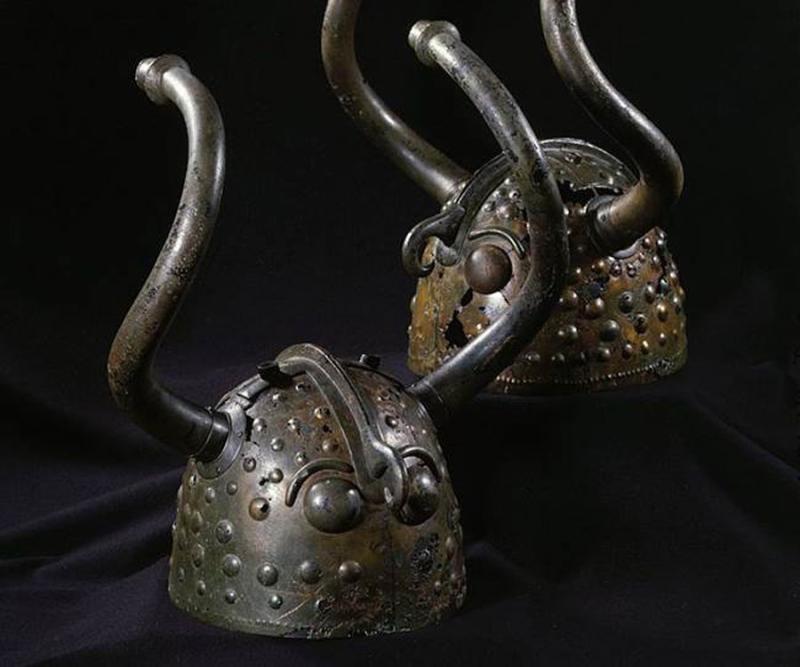
A new study on the rare Bronze Age Viksø horned helmets of Denmark links their symbolism with Mediterranean art suggesting an unknown trade route to Scandinavia.
The Blood Eagle executions whispered of in the Norse sagas has long been a thing of legend, with little actual evidence of it taking place. Now whether it was practically possible has been examined, and the answer is a resounding ‘Yes’!
The latest in radiocarbon dating has been used as model to study ancient change, including trade and commerce, at a medieval Viking center in Denmark. And the study revealed that the Viking Age unfolded in phases beginning nearby and expanding all the way to the Middle East and beyond.
A 400-year-old gold signet ring bearing a unicorn design found by a metal detectorist in 2018, just sold at auction for over $25,000. The unicorn’s Celtic symbolism is intimately intertwined with the history of Scotland!