Tips on lathe chuck and accessories

Wood lathe chuck
Buying the right wood lathe chuck can seem confusing at first. In any case, since all chucks perform the similar function and work in a similar manner, picking a chuck really comes down to which brand provides the features and price range that will best suit your requirements. The following information will help you make an informed decision when buying a lathe chuck so that you buy the chuck that’s right for you the first time.
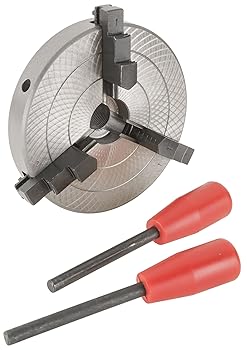
Generally, wood lathe chucks have not changed significantly since they came on the scene in the early 1980’s. Nevertheless, chucks today provide a better value than ever before because they are precision machined from higher quality materials with more accuracy that allows accessories to interchange.
Chuck Threads
Lathe chucks have two types: direct threaded and threaded insert type. Direct threaded means the thread size is cut specifically into the chuck body and must be used on lathes with the corresponding thread size. Threaded insert type means the chuck uses a removable threaded insert that permits you to utilize the chuck on multiple lathes with varying thread sizes by changing the threaded insert as needed.
Key Operated Chucks
Key operated chucks are the most well-known kind of chuck because of one-handed operation. To work a key chuck you essentially put the chuck key in the matching hole on the body of the chuck and turn the handle either clockwise or counter-clockwise to open or close the jaws.
Lever Operated Chucks
Lever operated chucks require a two-hand operation. To work, lever bars are inserted into holes located on the outside of the chuck body. Moving the lever bars back and forth cause the jaws to expand or contract.
Chuck Jaws
Choosing the correct set of jaws can be confusing with a large number of jaws available to choose from. While the jaws provided with most chucks are probably to be utilized most of the time, specialty jaws are available to suit particular applications and can prove to be very helpful. See the list of jaws below to learn more about their functions.
- Dovetail Jaws: capable of chucking bowls by clamping down on a foot or tenon and can expand into a dovetail recess.
- Long Nose Jaws: designed to get the work piece away from the headstock and capable of holding heavy work. They are likewise perfect for holding round stock.
- Shark Jaws: these jaws are utilized as traditional dovetail jaws for gripping a tenon or to expand into a turned recess. Serrated ridges along the inside and outside of the jaw give an aggressive grip.
- Step Jaws: this dovetail jaw highlights multiple steps inside the jaw to accommodate different diameters of stock.
- Extended Dovetail Jaws: this dovetail jaw is designed to move the work away from the chuck for easier access while turning. Highly recommended for pre-drilled projects such as pepper mills or kaleidoscopes.
- Pin Jaws: these long, narrow jaws are designed for securing pre-drilled blank such as flower vases or pepper mills. Can likewise be utilized for gripping onto a pen mandrel for improved precision and adjustability.
- Adjustable Jaws: great for re-chucking work without marring the surface. Only to be utilized for making light finishing cuts or sanding.
Wood lathe accessories
Lathe accessories provide a breadth of decisions that can be added to your lathe. Accessories are great ways to help upgrade the experience, refine the procedure and open ways to new opportunities to make even more exciting products utilizing your lathe.
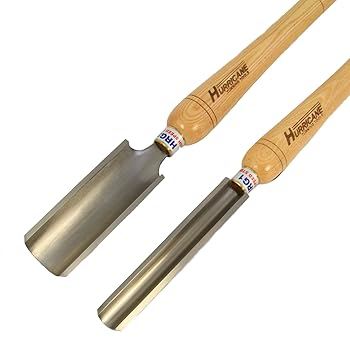
Including the right accessories is an incredible approach to give an extensive variety of different functionalities and enhance your lathe become a better device all around. There are many types of wood lathe accessories, so you must consider what you want and need. Some of the various wood lathe accessories that you can choose from are