Wonder Woman 1984: A storytelling mess with uncomfortable moral implications

Wonder Woman 1984 is the direct sequel to Wonder Woman (2017), and while its predecessor was a mostly competent film and a breath of fresh air for the DC Extended Universe, WW84 is a storytelling mess.
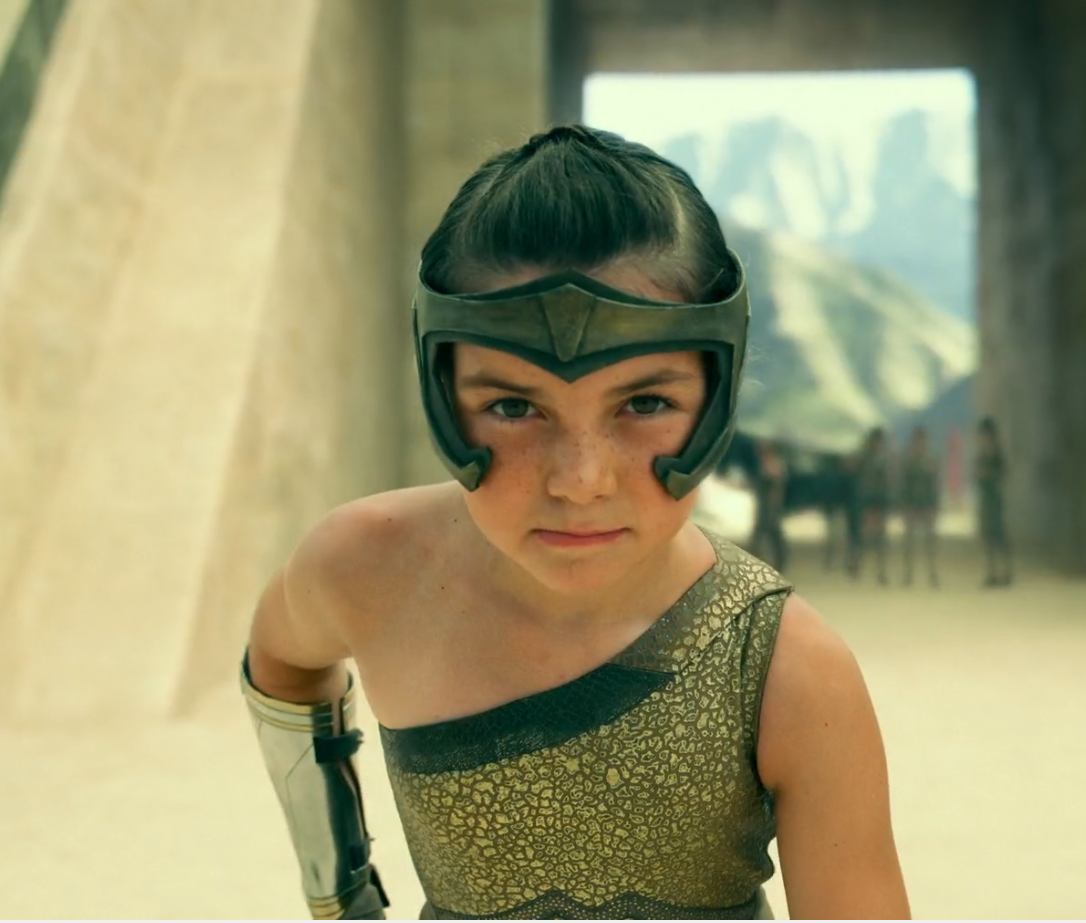
We begin with young Diana participating in an obstacle course, and oh dear, we already have our first continuity error. At this point in her life, her mother (Queen Hippolyta, played by Connie Nielsen) was still dead set against her receiving warrior training. Diana was significantly older when the Queen finally allowed her sister, Antiope (Robin Wright) to train her to be an Amazon warrior.
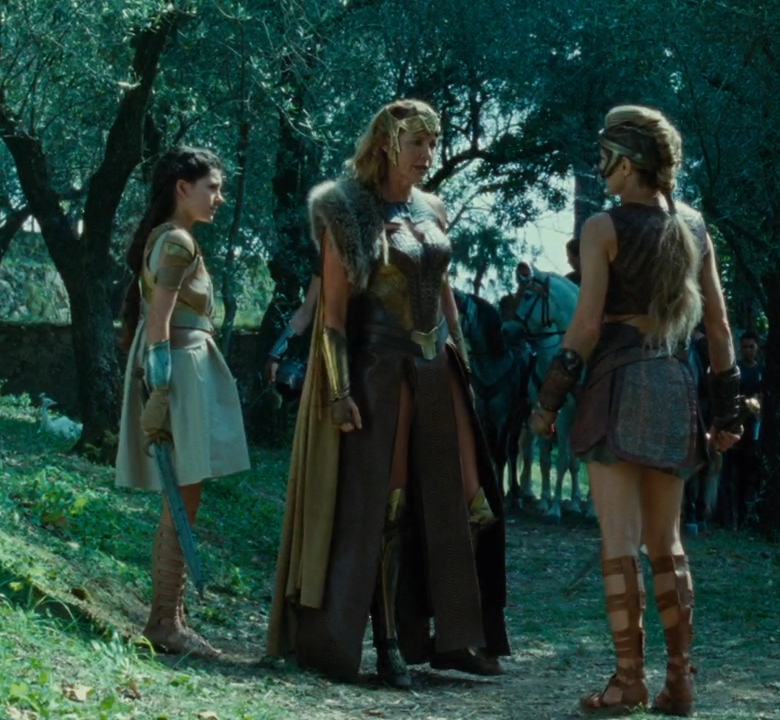
At the end of the obstacle course, Diana is stopped by Antiope because she took a shortcut instead of running the course as it should be. This leads to the “message” of the film: heroes aren’t born from lies.
WW84 then introduces us to Diana again, this time as Wonder Woman in 1984. Here, we’re introduced to two major differences in her powers. First, she can use her tiara as a boomerang, and she swings around like Spider-Man using her Lasso of Truth. In fact, her lasso seems to behave like it has a mind of its own.
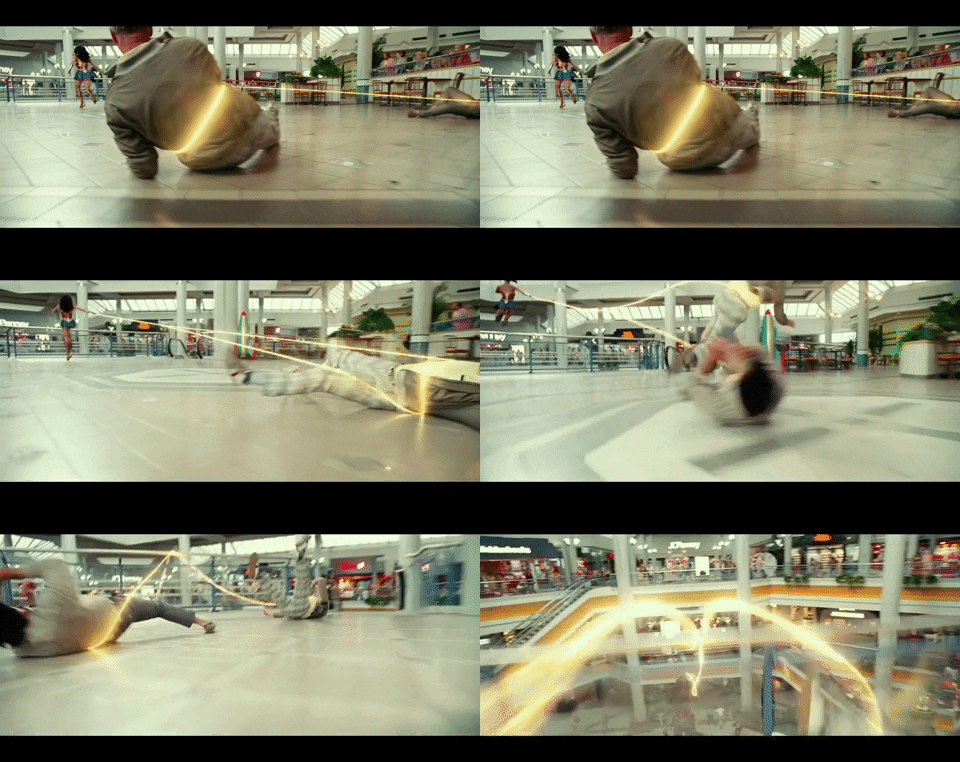
This scene tries to set the tone for the rest of the film. It’s lighthearted, over the top, and comical, taking on a different tone than what you might be accustomed to in the DC EU (with exceptions like Shazam!). Unfortunately, this too is dropped with a quickness.
We are then introduced to the driving force behind the film: a citrine wish-granting rock.
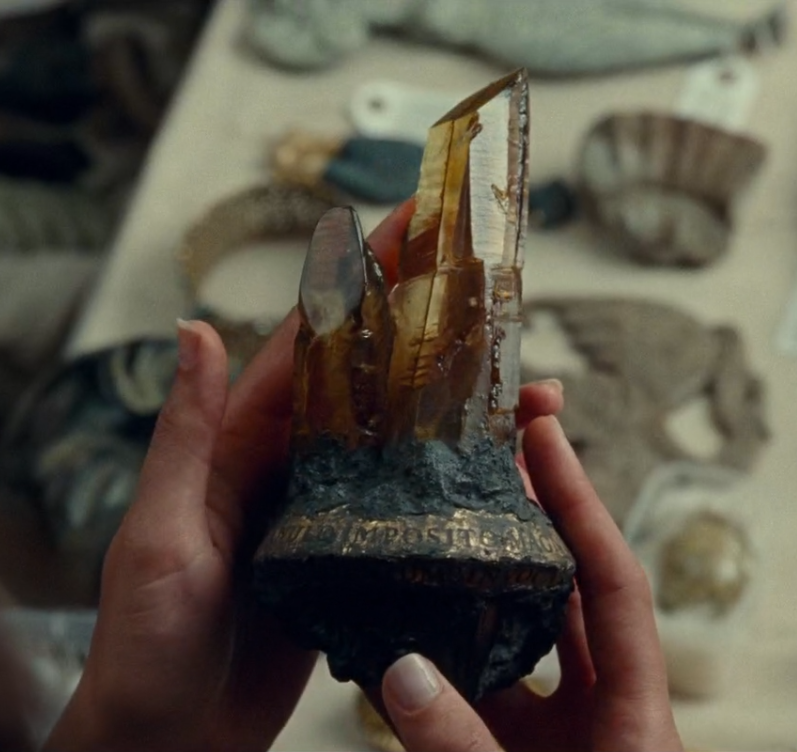
Its appearance does fit with the major theme of the film, about lies, and the truth, taking on a cheap, fake appearance that belies the power within. However, its powers do not fit quite so well. It is said to be created by Dolos, the God of Lies, but the wishes it grants are anything but. Sure, it does take something from you in return, but the wishes do come true. The keyword: true. Wishes that you make of this rock are indeed granted, the only falsehood being its omission of the cost of that wish.
Wish-making, like time travel, is a difficult concept to portray in film. The magic of wishes asks a lot more questions than it answers, and for the sake of this review, I won’t consider any potential wishes that they could have made, because that’s a whole other rabbit hole. Even if you take each wish at face value and their outcomes, the concept still does not work.
The rock is often called “the monkey’s paw”...except the monkey’s paw doesn’t work this way. It would grant you your wish, but in a way that you would rather have not wished for it at all. Contrary to this, the rock in WW84 takes away your most treasured possession in exchange. The only way to undo the effects of the rock is either by destroying it or having everyone who used it renounce their wish. If neither of these conditions happen, civilization collapses.
Diana’s Wish

Diana, up until this point, is pining over Steve Trevor (Chris Pine, pun intended). So it follows that she wishes for Steve Trevor to come back, but here it gets complicated and rather controversial. He comes back in the body of a random dude, completely overriding his psyche and replacing it with his.
...And then Diana and Steve have sex, in the possessed dude’s bed. So in essence, Diana raped the guy, and Steve was an accomplice to it. You can’t even make the claim that neither of them knew because most of their conversation leading up to the act was about Handsome Man (yes, that’s what he’s called in the credits), his life, and his interests. The cost she paid (or really, was in the process of paying) was her slowly losing her powers.
Most films about body-swapping or possessions treat it as a bad thing, but not this film, oh no. In fact, Diana was on board with effectively having murdered an innocent man to have Steve Trevor returned until she realized she needed her powers to save the world. She then unceremoniously renounced her wish, leaving a presumably bewildered Handsome Man in the middle of a riot. This oversight and willing ignorance of a man’s autonomy and consent was baffling to me because sexual harassment of women was a recurring theme in WW84.
The entire body-possession part of Diana’s wish-fulfillment did not play a role at all in the film, and Steve Trevor might as well just have been reincarnated. Neither Diana nor Steve even acknowledges this poor man, and neither does the film (given that he doesn’t even have a name in the credits). The horrible ordeal comes to a close when Diana and Handsome Man have a meet-cute during the epilogue, which suggests that he might be Diana’s new love interest. This takes on an uncomfortable hue when you recall that Diana practically raped the guy.
Barbara Minerva’s Wishes

Barbara Minerva (Kristen Wiig) is the secondary antagonist in the film. She’s a pathetic, nerdy klutz who goes through two transformations through the course of the film. Her first wish is to become like Diana: strong, sexy, cool, and special. Her character arc seems lifted directly from a high school musical spliced with a makeover film, except she’s pushing fifty. The arc felt so uncomfortably anachronistic for someone her age, and it made no sense to me that she hadn’t grown up from that childish mindset.
Her second “wish” was to become better than Diana, an apex predator. And so she was turned into a furry.
Jokes aside, she became the Cheetah, which, ironically, are not apex predators anywhere that they are found. Her second wish was fulfilled by Maxwell Lord by taking the strength from the people he granted wishes to and bestowing it upon Barbara. The “price” she had to pay was her kindness, joy, and humanity, which I felt was a total cop-out.

Can you follow the fight in this scene? Yeah, neither could I.
It was lit so poorly and Cheetah’s color palette blended so well with the background that it made it hard to tell what was going on. A climactic battle shouldn’t be this frustratingly obnoxious to watch, all because of poor lighting and a terrible palette choice.

If they had stuck to the orange-red color palette of Cheetah from the comics, she would have contrasted far better in the dim lighting of the scene.

The fight ended in a stupid way, too, with Diana holding her underwater while a live wire electrocutes her. Here’s the dumb bit: Diana was also in the water, and completely unaffected.
Maxwell Lord’s Wish

Max Lord is my favorite character in the film and the only one who had a relatable and viscerally human character arc. A conman with a heart, he’s driven to succeed because of his son. Max is a divorcee, and all he wants to do is make his son proud of him. This drive is dropped somewhat during the second act of the film, but it comes to a close with a heartfelt scene with his son at the end of the third act.
His wish is extremely clever: he wished to become the stone, which gave him the ability to grant other people's wishes. His logic was that everyone in the world would have something he wants, which he could take from them by granting them wishes. He’d be saved from the “monkey’s paw” backlash because he wasn’t the one asking for wishes. Of course, he would face some backlash from his original wish, which manifested as physical pain and a decline in his health. This, too, was addressed by him taking the health of people he granted wishes to. It was nearly foolproof, if not for him conveniently forgetting his son in the madcap riots and imminent nuclear war with the Soviet Union.
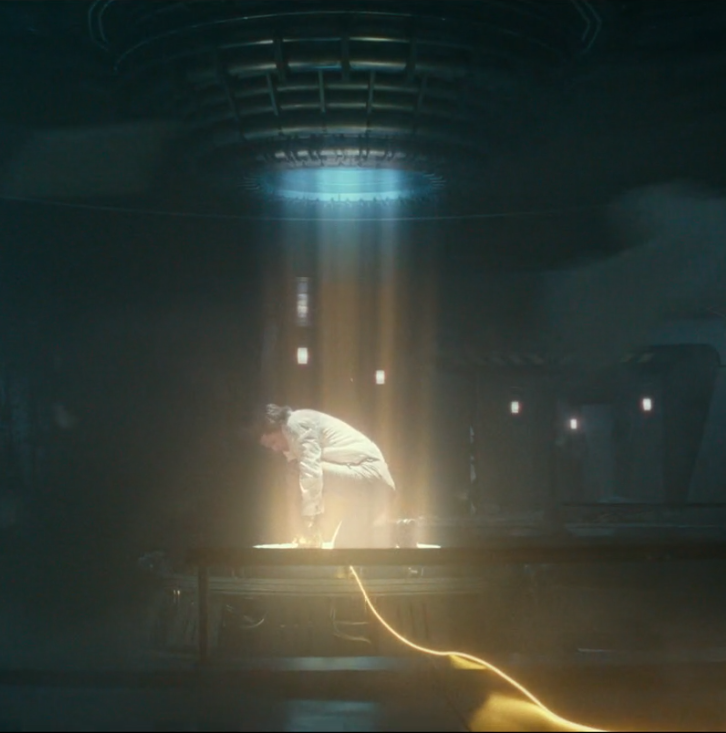
The climax of the film doesn’t make much sense either. In Wonder Woman (2017), all her Lasso is capable of doing was forcing people to tell the truth. In WW84, it’s capable of showing people the truth as well, like psychic projection. This new power was used at the close of the film, and Diana was able to convince millions of people to renounce their wishes by showing them the truth over their television and computer screens.
While I appreciate that the film tried to make a superhero movie that didn’t end in a huge action scene (if you ignore the fight with Cheetah just prior, that is). There are several glaring issues with this ending, the biggest of which is that if even one person refuses to renounce their wish, civilization still collapses.
And since when did “truth” hold so much sway over people anyway? If even one person decides that their wish was worth more than the cost to their person, they would refuse to take it back. Imagine, if you will, a distraught mother who has to give leukemia back to little Timmy. What sort of “truth” would convince her to rescind that wish and once more afflict her son with that terminal horror?
In the end, even Max Lord himself rescinds his wish to save his son from impending doom through either nuclear war or being crushed under the boots of stampeding rioters. Now, this begs another question. Why hasn’t a single person wished for the end of the Cold War, the dissolution of the Soviet Union, or an end to the rioting?
He has a touching scene with his son, and although it wasn’t earned, it left a lasting impression on me. He admits to being a loser, but his son reassures him that his love is unconditional, and didn’t need to be bought.
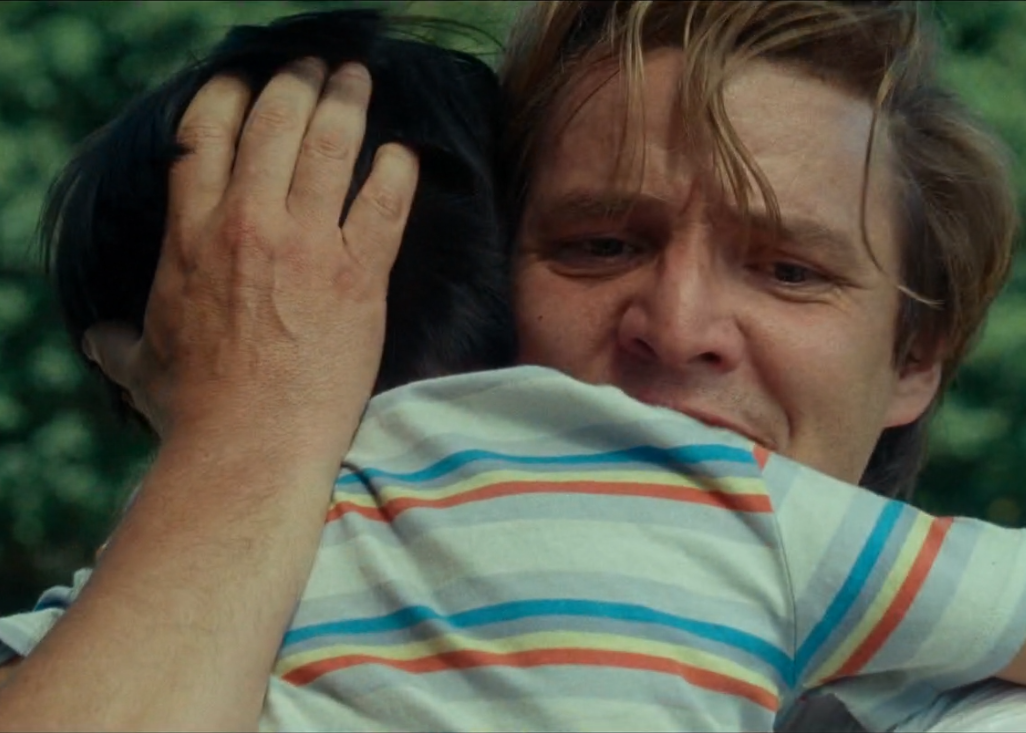
Pedro Pascal is the highlight of this film, and although he couldn’t save it from being an irredeemable mess, he shone as the larger-than-life Max Lord, on the run from his poverty-stricken childhood on a quest for greatness. I found myself rooting for him against Wonder Woman because of his humanity and his intelligence.
Conclusion
Wonder Woman 1984 is a mess of a film, made worse by oversights and poor writing decisions that make little to no sense. Despite the film showing a ton of sexual harassment (of both Diana and Barbara), and having Barbara’s exact revenge on a drunk who accosted her, the film overlooks what is, for all intents and purposes, the rape of a male.
There was some care put into the film, and people who have a vested interest in comics or old Batman and Superman films will see a few references to those. This shows that Patty Jenkins has some respect for the source material, even though she butchered the backstory of Cheetah and changed Max Lord’s. She even shot WW84 on film, to give it authentic ‘80s film grain.
But none of this truly matters because the writing was piss poor. Gal Gadot cannot act to save her life, and Wonder Woman is just a blank slate, a tool to write the plot with. The film was not just terrible, but terrible in interesting ways that could be dissected and talked about for ages.
